
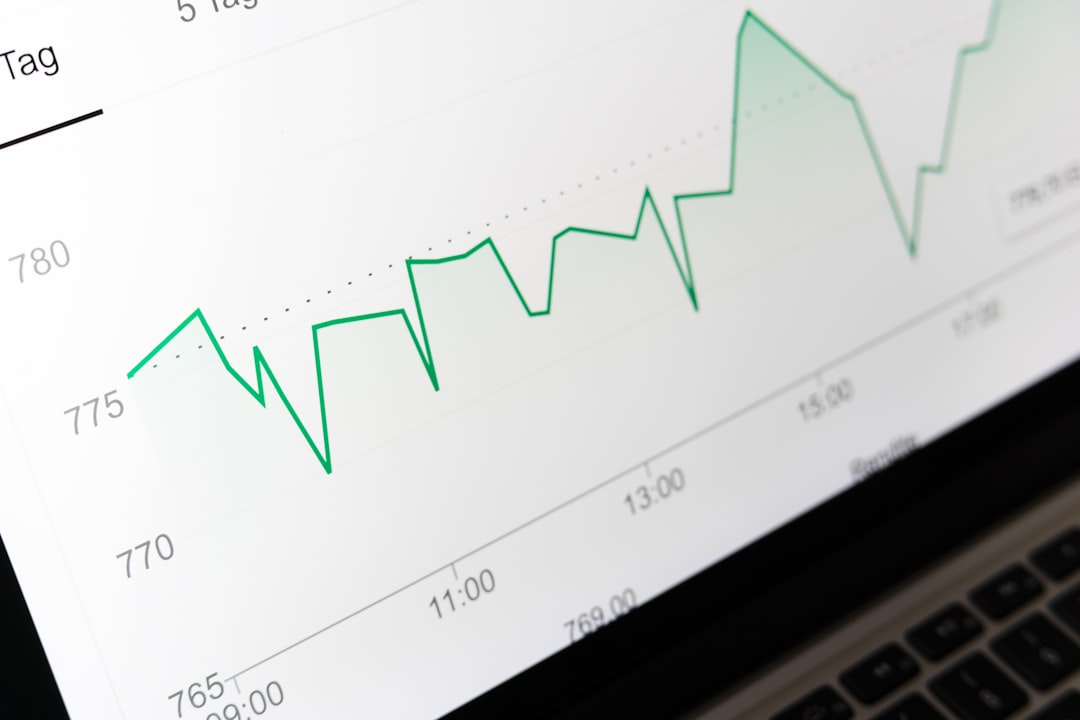
In today’s fast-paced digital landscape, businesses are constantly seeking ways to optimize their marketing strategies and improve their return on investment. Data analytics has emerged as a powerful tool that enables companies to make informed decisions based on real-time insights. By harnessing the power of data analytics, businesses can not only enhance their marketing efforts but also gain a competitive edge in their respective industries.
Understanding the Value of Data Analytics
Data analytics involves the systematic computational analysis of data to uncover patterns, correlations, and trends that can inform business decisions. For marketers, this means having access to valuable insights that can guide campaign strategies and improve customer engagement. By leveraging data analytics, businesses can identify their target audience more effectively, tailor their messaging, and ultimately drive higher conversion rates.
For instance, a local retail store in Austin, Texas, utilized data analytics to analyze customer purchasing behavior. By examining sales data and customer demographics, they discovered that a significant portion of their sales came from a specific age group. This insight allowed them to tailor their marketing campaigns to resonate with that demographic, resulting in a 30% increase in sales over a three-month period.
Enhancing Search Engine Optimization
Search Engine Optimization (SEO) is a critical component of any digital marketing strategy. Data analytics plays a crucial role in optimizing SEO efforts by providing insights into keyword performance, user behavior, and website traffic. By analyzing this data, businesses can identify which keywords are driving traffic to their site and adjust their content strategy accordingly.
A company in San Diego, California, implemented a data-driven SEO strategy that involved analyzing search trends and user engagement metrics. By optimizing their website content based on these insights, they were able to improve their search engine rankings significantly, resulting in a 50% increase in organic traffic within six months. This case illustrates how data analytics can directly impact a business’s online visibility and customer acquisition efforts.
Maximizing Pay-Per-Click Advertising
Pay-Per-Click (PPC) advertising is another area where data analytics can drive significant results. By analyzing click-through rates, conversion rates, and customer demographics, businesses can refine their PPC campaigns to achieve better outcomes. Data analytics allows marketers to allocate their budgets more effectively, ensuring that they invest in the most profitable keywords and ad placements.
A digital marketing agency in New York City utilized data analytics to optimize their PPC campaigns for a local client. By analyzing performance data, they identified underperforming ads and reallocated the budget to higher-performing ones. This strategic adjustment led to a 40% increase in conversions and a substantial reduction in cost-per-acquisition, demonstrating the power of data-driven decision-making in PPC advertising.
Leveraging Influencer Marketing
Influencer marketing has gained immense popularity as a way to reach target audiences authentically. Data analytics can enhance influencer marketing strategies by providing insights into audience engagement and influencer performance. By analyzing data on social media interactions and audience demographics, businesses can select the right influencers who align with their brand values and resonate with their target market.
A beauty brand in Los Angeles partnered with influencers to promote their new product line. By utilizing data analytics to track engagement metrics, they discovered which influencers generated the most buzz and conversions. As a result, they focused their efforts on these key influencers, leading to a 25% increase in sales during the campaign period. This example highlights how data analytics can optimize influencer partnerships for maximum impact.
Driving Success with Email Marketing Campaigns
Email marketing remains one of the most effective channels for reaching customers directly. Data analytics can significantly enhance email marketing campaigns by providing insights into open rates, click-through rates, and customer preferences. By analyzing this data, businesses can segment their email lists and tailor their messaging to specific audience segments, resulting in higher engagement and conversion rates.
A nonprofit organization in Chicago implemented a data-driven email marketing strategy that involved analyzing donor behavior and preferences. By personalizing their email content based on this data, they achieved a remarkable 60% increase in donor engagement and a 35% boost in donations during their annual fundraising campaign. This case exemplifies how data analytics can transform email marketing efforts into powerful tools for driving revenue and building relationships.